

7 Powerful Cleaning Strategies to Combat Florida Humidity in Lakeland Homes
Living in Lakeland, Florida, offers residents a vibrant community and beautiful surroundings, but it also comes with its own set of challenges, particularly when it comes to maintaining a clean and comfortable home. The high humidity levels typical of Florida can make cleaning tasks more demanding, often leading to mold, mildew, and persistent odors. Fortunately, there are effective cleaning strategies that can help mitigate these issues, ensuring your home remains fresh and inviting.
At Qualified Cleaning Service, our team brings 50+ years of combined team experience to every home we clean in Lakeland and Winter Haven. We’ve refined our methods through thousands of appointments, learning what actually works in Central Florida’s unique environment — where humidity, pollen, and sandy soil create cleaning challenges you won’t find in other parts of the country. Every technique we use is tested and proven in real Polk County homes.
In this blog post, we’ll explore seven powerful cleaning strategies tailored to combat the unique challenges posed by Florida’s humidity. From understanding the best cleaning practices to utilizing the right tools and products, these tips will help you maintain a pristine home despite the sticky climate.
Understanding the Impact of Humidity on Your Home
Before diving into specific cleaning strategies, it’s essential to grasp how humidity affects your living environment. High humidity levels can lead to a host of problems, including mold growth, dust mites, and damp odors. In Lakeland, where humidity can consistently reach high levels, these issues can become particularly pronounced.
Mold thrives in moist environments, and it’s not just an aesthetic problem. It can cause health issues such as allergies and respiratory problems. Dust mites, which also flourish in humid conditions, can exacerbate asthma and other allergic reactions. Understanding these impacts is the first step in effectively combating them.
The Role of Ventilation
An often-overlooked aspect of managing indoor humidity is ensuring proper ventilation. Adequate airflow can significantly reduce moisture levels in the air, making it more difficult for mold and dust mites to thrive. Use exhaust fans in bathrooms and kitchens to expel moist air, and consider installing a dehumidifier to maintain optimal indoor humidity levels.
Ceiling fans can also help circulate air throughout your home, reducing the likelihood of dampness and associated issues. Regularly open windows when weather permits, to allow fresh air to flow through your home, further helping to control humidity levels.
Regular Deep Cleaning
Establishing a routine of regular deep cleaning is vital in preventing humidity-related problems. This goes beyond your typical weekly cleaning tasks and involves a thorough cleaning of areas prone to moisture buildup, such as bathrooms, kitchens, and basements.
When deep cleaning, pay special attention to grout lines, tiles, and other surfaces that can harbor mold. Use a mixture of baking soda and vinegar to clean these areas, as this natural solution is effective in killing mold spores without introducing harsh chemicals into your home.
Carpet and Upholstery Care
Carpets and upholstery can trap moisture, leading to musty odors and mold growth. Regularly vacuum these areas to remove dust and allergens, and consider using a steam cleaner for a deeper clean. Steam cleaning helps to kill dust mites and mold spores, improving the overall air quality in your home.
If possible, opt for rugs instead of wall-to-wall carpeting, as they are easier to clean and allow you to address moisture issues more effectively. Regularly airing out rugs by hanging them outside can also help eliminate trapped moisture.
Choosing the Right Cleaning Products
Not all cleaning products are created equal, and selecting the right ones can make a significant difference in combating humidity-related issues. Opt for products specifically designed to tackle mold and mildew, as they contain ingredients that target these problems effectively.
Natural cleaning agents such as white vinegar, tea tree oil, and hydrogen peroxide are excellent choices for those looking to avoid harsh chemicals. These solutions are effective in killing mold and mildew while being safe for use around children and pets.
Utilizing Desiccants
Desiccants are substances that absorb moisture from the air, making them an invaluable tool in humid environments. Silica gel, calcium chloride, and activated charcoal are popular choices. Placing these in closets, under sinks, and in other moisture-prone areas can help keep humidity levels in check.
Additionally, consider using moisture-absorbing bags or containers that are specifically designed for home use. These products are usually refillable and can provide long-term moisture control with minimal effort.
Implementing Regular Maintenance
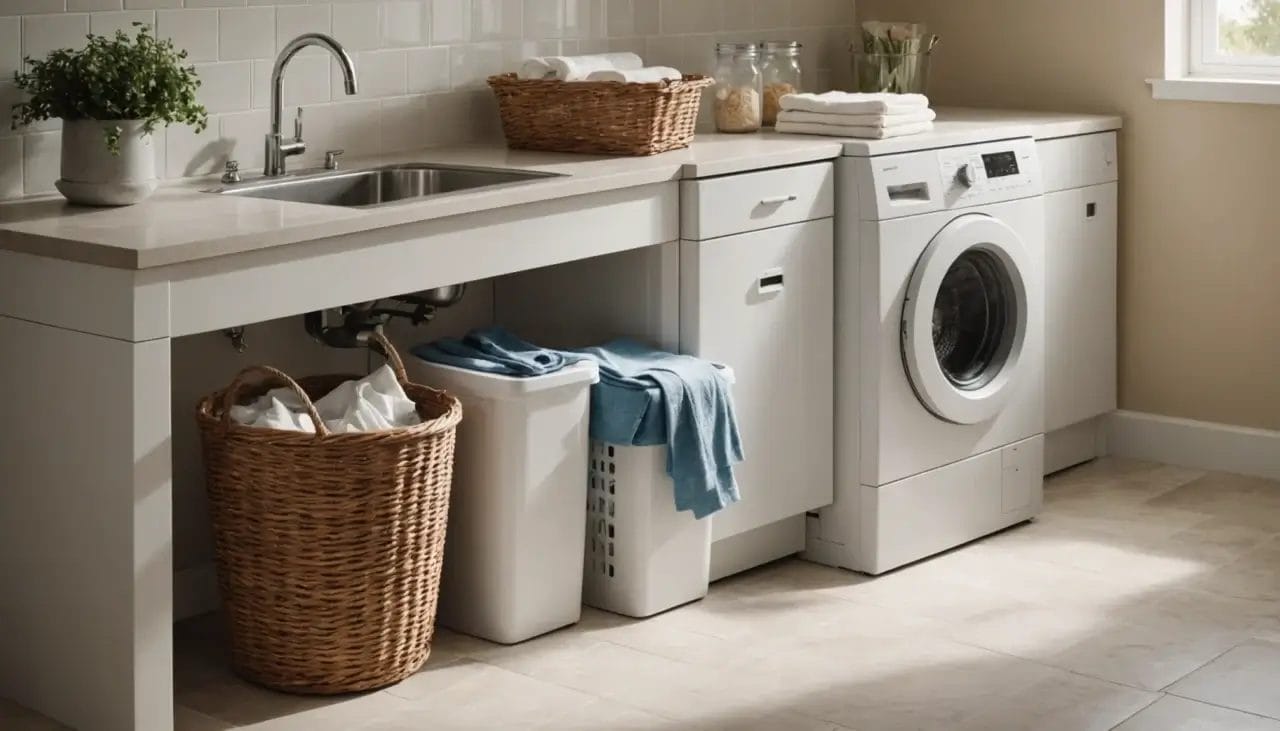
Consistent maintenance is crucial in keeping your home clean and free from humidity-induced problems. This includes regularly inspecting and cleaning air conditioning units, as they play a significant role in controlling your home’s humidity levels.
Ensure your AC filters are clean and replaced as needed, as clogged filters can reduce efficiency and lead to increased humidity levels. Regularly checking and maintaining your home’s plumbing system is also important, as leaks can contribute to unwanted moisture buildup.
Addressing Leaks Promptly
Leaks, whether from roofs, pipes, or windows, can introduce moisture into your home, exacerbating humidity issues. Regularly inspect these areas for signs of leaks and address them promptly to prevent mold growth and structural damage.
Apply caulk or sealant to gaps in windows and doors to prevent moisture from entering your home. For plumbing leaks, calling a professional plumber can ensure the problem is resolved effectively and prevent further moisture-related issues.
Utilizing Technology for Humidity Control
Today’s market offers a variety of technological solutions to help manage indoor humidity levels effectively. Smart thermostats and hygrometers can provide real-time data on your home’s humidity, allowing you to make informed decisions on how to adjust your environment.
Smart dehumidifiers can be programmed to maintain optimal humidity levels automatically, reducing the need for manual adjustments. These devices can be particularly beneficial in homes with vulnerable residents, such as those with allergies or respiratory conditions.
Air Purifiers
Air purifiers equipped with HEPA filters can capture mold spores, dust mites, and other allergens, improving indoor air quality. Consider using air purifiers in bedrooms and living areas to create a healthier environment.
Some air purifiers also come with built-in dehumidifying features, providing a dual benefit in combating Florida‘s humid climate. Regularly maintaining these devices by cleaning or replacing filters as needed will ensure they continue to operate efficiently.
Embracing a Proactive Approach
Combating humidity in Lakeland homes requires a proactive and informed approach. By understanding the impact of humidity, implementing regular cleaning and maintenance routines, and utilizing the right tools and products, you can effectively manage humidity-related challenges.
While the climate in Florida presents unique cleaning challenges, these strategies offer a comprehensive plan to keep your home clean, healthy, and comfortable. Embrace these practices to protect your home and enjoy the benefits of a well-maintained living environment, free from the adverse effects of humidity.
Implementing these strategies can significantly improve your home’s air quality and comfort, but adapting your lifestyle can also play a crucial role. Incorporating habits that align with a moisture-controlled environment will ensure your efforts in combating humidity are long-lasting and effective.
Adopting Lifestyle Changes to Reduce Humidity
Simple lifestyle adjustments can greatly contribute to maintaining a dry and comfortable home. Being mindful of daily activities that generate moisture is key. This includes activities such as cooking, showering, and laundry, all of which can substantially increase indoor humidity levels if not managed properly.
When cooking, ensure to use lids on pots and pans to minimize steam and always use the kitchen exhaust fan. After showering, keep the bathroom fan running for at least 20 minutes to ensure complete ventilation. When doing laundry, consider drying clothes outside when possible, or use a vented dryer to prevent moisture from accumulating indoors.
House Plants and Humidity
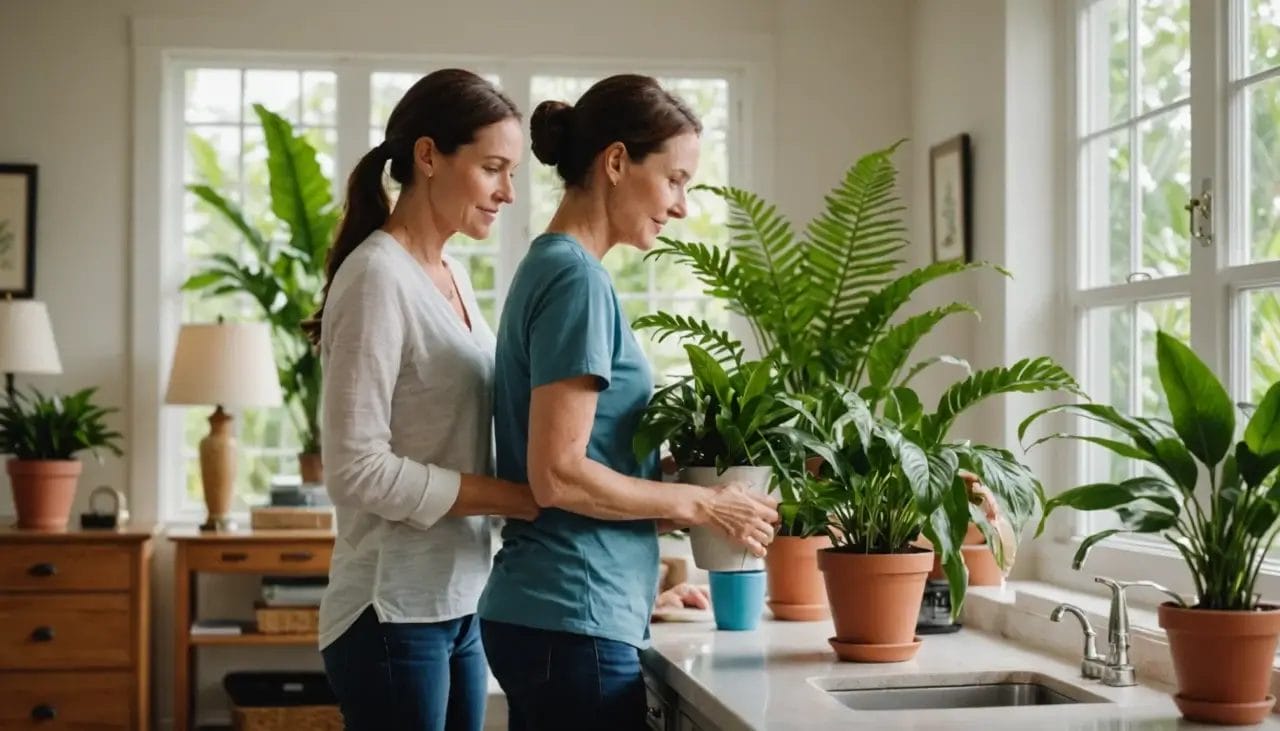
While house plants can improve air quality and add aesthetic value, they can also increase indoor humidity. Opt for plants that naturally absorb moisture, such as Boston ferns or peace lilies. These plants not only help in reducing humidity but also add a touch of greenery to your space.
Be mindful of over-watering plants, as excess water can evaporate into the air, raising humidity levels. Using pots with proper drainage can prevent this, ensuring your plants contribute positively to your home’s environment.
Educational Resources and Community Support
Understanding the science behind humidity and mold growth can empower you to make informed decisions about managing your home environment. Numerous educational resources are available online, offering detailed information and practical advice. For instance, the U.S. Environmental Protection Agency provides comprehensive guidance on mold prevention and control, which can be invaluable for Florida homeowners.
Joining local community groups or online forums dedicated to home maintenance in humid climates can also offer support and shared experiences. Engaging with others facing similar challenges can provide new insights and strategies you may not have considered.
Local Workshops and Events
Keep an eye out for workshops and events hosted by local organizations that focus on home maintenance and environmental control. These events can provide hands-on learning experiences and opportunities to connect with experts in the field.
Local extension offices, such as those associated with universities, often hold seminars on home care and maintenance, tailored specifically to Florida’s unique climate conditions. Participating in these can enhance your knowledge and equip you with the skills needed to tackle humidity effectively.
Investing in Professional Services
While DIY methods are effective, sometimes professional intervention is necessary, especially for severe or persistent humidity problems. Professional cleaning services can provide a deep clean that addresses mold and mildew in hard-to-reach areas, ensuring your home is thoroughly sanitized.
Mold remediation specialists are equipped to handle significant mold outbreaks, using advanced techniques and equipment to remove mold and prevent future growth. Regular inspections by these professionals can catch potential issues early, saving you time and money in the long run.
Collaborating with Local Experts
Building a relationship with local professionals who understand Lakeland’s climate can be beneficial. These experts can offer tailored advice and services that align with your specific needs and local conditions.
Consider scheduling regular maintenance checks with HVAC technicians or plumbers to ensure your systems are functioning optimally and not contributing to excess moisture. Their expertise can help maintain a balanced home environment, reducing the strain on your cleaning efforts.
Looking Ahead: Long-term Solutions
As you implement these strategies and adapt to lifestyle changes, consider long-term solutions that will provide sustainable humidity control. Investing in high-quality insulation and weather-proofing your home can significantly reduce moisture ingress from external sources.
Consider upgrading to energy-efficient windows and doors, which are designed to prevent air leakage and maintain a consistent indoor climate. These upgrades not only help with humidity control but also increase energy efficiency and reduce utility bills.
Future-proofing Your Home
Future-proof your home by staying informed about the latest advancements in home technology and materials designed to combat humidity. Innovations such as smart home systems that automatically monitor and adjust humidity levels are becoming increasingly accessible and can offer peace of mind.
As climate conditions evolve, being proactive and open to adopting new technologies and strategies will ensure your home remains a sanctuary, free from the adverse effects of humidity.
By embracing these comprehensive strategies and solutions, residents of Lakeland can effectively manage the challenges posed by Florida’s humidity, ensuring their homes remain comfortable and healthy environments for years to come. For more information on managing humidity and its effects, you can refer to the Centers for Disease Control and Prevention’s mold FAQs and the U.S. Department of Energy’s guide on insulation.
Ready for a Cleaner Home?
Whether you need a one-time deep cleaning or regular maintenance, Qualified Cleaning Service is here to help. We’ve been serving Lakeland, Winter Haven, and communities across Polk County for over 20 years.
Schedule your free estimate online or call us at (863) 662-4646. We’re available Monday through Friday, 8 AM to 5 PM.
— The Qualified Cleaning Service Team | Proudly serving Lakeland, Winter Haven, and Polk County since 1999. qualifiedcleaningservice.com
Share this article
Related Posts


Follow us
A quick overview of the topics covered in this article.


